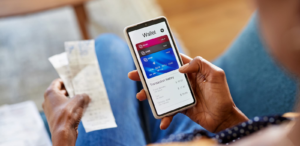

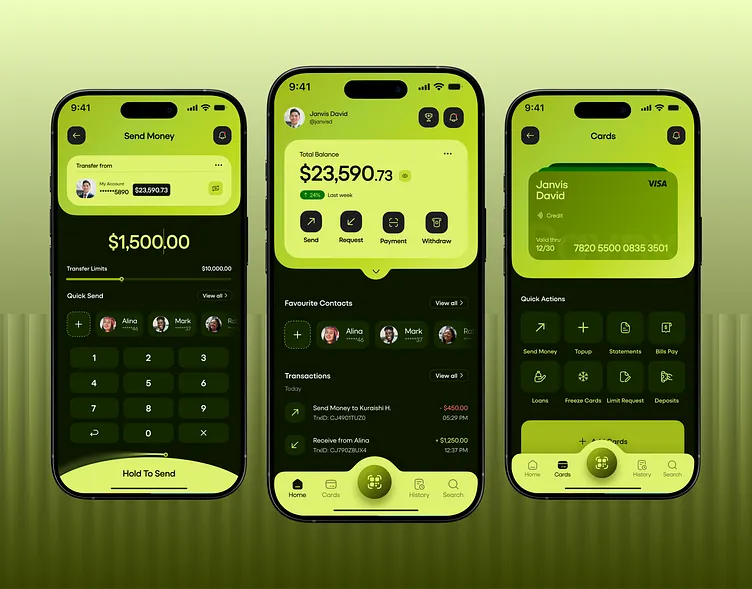
Credit card debt is soaring across the United States, and a new wave of fintech apps is emerging to offer smarter, interest-free alternatives that could replace traditional credit cards by 2027. With instant approvals, flexible repayment, AI-driven budgeting, and cash-flow-based credit lines, these platforms promise faster, cheaper, and safer access to credit. This comprehensive guide breaks down the apps leading the revolution—and what Americans must know before switching.
Is America Finally Ready to Move Beyond Credit Cards?
For decades, credit cards have been the backbone of American consumer spending. They offered convenience, rewards, and the ability to borrow instantly. But the landscape is shifting dramatically.
According to the Federal Reserve, U.S. credit card balances crossed $1.3 trillion in 2024, while average APRs hit record highs above 22%. Millions of Americans now struggle to pay down balances, avoid late fees, and escape revolving debt traps.
Meanwhile, younger generations—especially Gen Z and millennials—are turning away from traditional credit cards. A Discover study found that 62% of Gen Z consumers prefer using financial apps over traditional credit due to lower costs, clearer repayment schedules, and stronger digital control.
The result? A new fintech-driven era is emerging. And by 2027, several innovative apps could become the preferred credit tool for everyday Americans.
This article explores:
- Why traditional credit cards are losing their appeal
- The fintech apps most likely to replace them
- Real-life examples of how Americans are already shifting
- Risks, benefits, and what consumers should watch out for
- The financial habits that will define 2027
Let’s dive in.
Why Are Americans Searching for Credit Card Alternatives?
The momentum away from credit cards isn’t random. It’s happening because of three powerful factors reshaping American spending behavior.
1. Rising Interest Rates Have Made Credit Unaffordable
With average APRs above 22%—and penalty APRs reaching 29%—traditional credit cards have become some of the most expensive sources of borrowing in the U.S. financial system.
Real-life example:
A 29-year-old in Colorado reported that her $2,400 credit card balance ballooned to over $3,100 within four months—despite making regular minimum payments.
High-interest debt quickly traps consumers, especially in periods of inflation and wage stagnation.
2. Younger Americans Prefer Digital-First Financial Tools
Fintech apps offer the instant gratification and transparency younger generations expect.
Features like:
- Real-time spending notifications
- Instant approvals
- AI-based repayment reminders
- Predictable, interest-free payment plans
- No late fees
have proven far more appealing than traditional credit card statements.
Nearly 68% of Gen Z prefers digital credit solutions over traditional credit cards.
3. AI and Cash-Flow Underwriting Have Changed the Game
Traditional lenders rely on outdated FICO models.
Fintech apps use real-time cash-flow analysis, making credit accessible to:
- Gig workers
- Freelancers
- Students
- Immigrants
- Those rebuilding credit
An Uber driver in Miami used a cash-flow credit app to secure a $900 spending limit despite having no prior credit history. Traditional banks would have rejected him instantly.
Which Fintech Apps Could Replace Your Credit Card by 2027?
Here are the platforms leading the shift—and why Americans are flocking to them.
1. Buy Now, Pay Later Apps (BNPL)
Affirm • Klarna • Afterpay • PayPal Pay in 4
BNPL platforms allow users to split purchases into equal payments—often without interest.
Why BNPL Is Replacing Credit Cards
- Instant approvals
- No interest for most users
- No revolving debt
- No hard credit checks
- Predictable repayment cycles
BNPL accounted for $100+ billion in U.S. spending in 2023—and could top $350B by 2027.
Real-life example:
A single mother in Arizona used Affirm to split her $680 appliance purchase into 12 payments without accruing any interest—saving hundreds in potential credit card APR charges.
Caution:
BNPL can encourage overspending and may charge late fees.
2. Cash-Flow–Based Credit Apps (The “Smart Credit” Revolution)
TomoCredit • Petal • Grain • Zebit
These apps approve users based on income and spending patterns—not traditional credit scores.
Advantages Over Credit Cards
- No interest (Tomo)
- No late fees
- No hard credit checks
- Limits adjust automatically based on financial behavior
- Ideal for Americans with “thin” or improving credit profiles
Real-life example:
A recent immigrant in Texas received a $1,000 spending line through Petal using only his bank transaction history—not his credit history.
3. Debit-Credit Hybrid Cards
Chime Credit Builder • Current Build • Extra Card
These cards function like debit but report like credit.
Why Americans Love Them
- No interest
- Builds credit automatically
- Prevents overspending
- No risk of revolving debt
- App-based control and freeze features
These are becoming the go-to solution for younger users who want credit without debt traps.
4. Digital Wallet Ecosystems
Apple Pay • Google Wallet • Samsung Wallet
By 2027, digital wallets may offer:
- Tap-to-borrow
- Virtual credit lines
- BNPL integration
- Instant micro-loans
- Spending insights powered by AI
- Zero physical cards required
Apple’s existing integration with Goldman Sachs and later fintech partners shows how quickly wallets are becoming the new front door to consumer credit.
5. AI-Driven Personal Finance Apps
Cleo • Copilot • Rocket Money • Monarch
These apps already help with tracking expenses. But the next generation will act like digital financial advisors that:
- Suggest credit products
- Automate repayments
- Negotiate bills
- Prevent overdrafts
- Reduce late fees
- Optimize payment timing
- Predict upcoming expenses
Real-life example:
A young couple in New York reduced their credit card debt from $7,400 to $2,000 in 14 months thanks to an AI-driven repayment optimizer.
What Do These Fintech Apps Offer That Credit Cards Cannot?
Key Consumer Benefits
- Lower costs (no interest, no fees)
- Increased transparency
- AI-driven guardrails to prevent overspending
- No revolving balances
- More inclusive credit access
- Real-time spending alerts
- Seamless mobile integration
Psychological advantage:
Many users feel safer with apps that show clear payment plans instead of open-ended minimum payments.
Will Fintech Apps Really Replace Credit Cards by 2027?
Credit cards are unlikely to disappear completely.
But fintech apps are poised to replace them for most everyday purchases, especially under $500.
Fintech apps will dominate:
- Groceries
- Clothing
- Subscription payments
- Transportation
- Online shopping
- Small appliances
- Daily expenses
Credit cards will remain for:
- Travel benefits
- Fraud protection
- Cashback rewards
- Car rentals
- High-value purchases
By 2027, Americans may use mobile fintech apps for 80% of their daily transactions.
What Are the Risks of Switching to Fintech-Based Credit?
While fintech has many benefits, there are hidden risks.
Potential Downsides
- App outages
- Weak fraud protection
- Less-regulated lending
- Non–FDIC insured balances
- AI-driven account freezes
- Data privacy concerns
- Late fees for BNPL mismanagement
- Difficulty disputing unauthorized charges
Fintech can make money management easier—but consumers must stay vigilant.
How Should Americans Prepare for the Transition?
Here’s how to safely incorporate fintech into your financial life:
Smart Consumer Strategies (Pointers)
- Keep at least one traditional credit card for emergencies
- Verify FDIC insurance for every fintech balance
- Avoid storing large sums in non-insured wallets
- Use BNPL only for essential purchases
- Track repayment calendars carefully
- Link apps only to secure accounts
- Review privacy and data-sharing policies
- Monitor spending weekly to avoid hidden purchases
These steps ensure safety as you adopt the next generation of consumer credit tools.
Trending FAQs About Fintech Apps Replacing Credit Cards (SEO Optimized)
1. Will fintech apps replace my credit card by 2027?
Fintech apps may replace credit cards for most daily transactions, though credit cards will still be used for travel, rewards, and larger purchases.
2. Which fintech apps are most likely to replace credit cards?
Top contenders include Affirm, Klarna, Chime Credit Builder, Apple Pay, Petal, Grain, and TomoCredit.
3. Are BNPL apps safe to use?
Yes, but overspending is a risk. Consumers should track repayment schedules carefully.
4. Do fintech apps build credit?
Some do—especially debit-credit hybrids and cash-flow–based credit platforms.
5. Is fintech more affordable than traditional credit cards?
Often yes. Many fintech platforms offer zero interest, no fees, and predictable repayment plans.
6. What’s the biggest risk of fintech apps?
Limited fraud protection compared to regulated credit cards.
7. Can fintech apps cause debt?
Yes—especially BNPL platforms that make overspending easy.
8. Are fintech balances FDIC insured?
Only if held at a partner bank. Always verify.
9. Will credit cards disappear entirely?
No. They will evolve but remain important for travel, rewards, and large purchases.
10. Are AI spending apps reliable?
Increasingly, yes. But AI errors can still occur, so consumers must monitor activity.
11. Should I stop using my credit card now?
Not necessarily. A hybrid approach—fintech for everyday purchases, credit cards for rewards—may be ideal.
Final Takeaway: The Future of Credit Is About to Change Forever
Fintech apps are not just offering alternatives—they’re redefining the very concept of consumer credit. Their promise of lower costs, smarter controls, and AI-powered personalization will transform how Americans borrow and spend by 2027.
But the smartest approach isn’t choosing between credit cards and fintech apps.
It’s using both strategically:
Fintech for daily convenience.
Credit cards for protection and rewards.
This combination provides flexibility, affordability, and long-term financial health.