

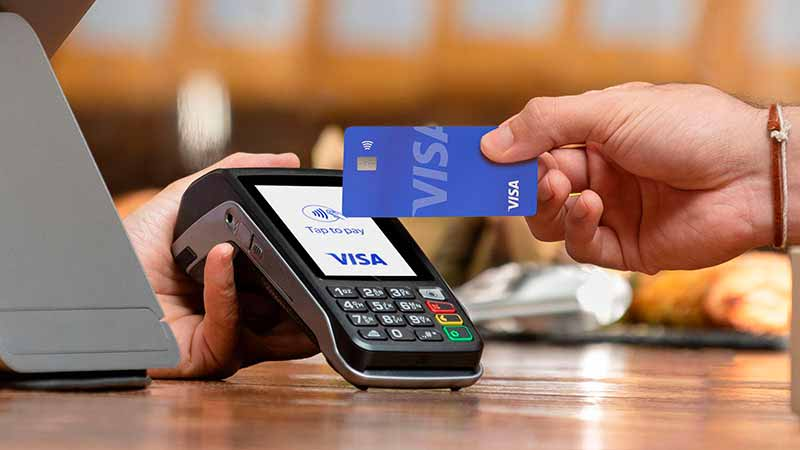
Fintech adoption, digital wallets, real-time payment networks, and shifting consumer behavior are pushing the United States toward a cashless future faster than expected. By 2026, America may reach a historic tipping point where cash becomes rare in everyday life. This article breaks down the data, trends, and real-life examples behind the shift—and explains how a cashless America could reshape your spending, security, credit, and financial freedom.
Introduction: America’s Cashless Countdown Is Already Underway
For generations, cash ruled America. But the rise of fintech, mobile payments, and contactless transactions is rewriting the rules of money faster than anyone anticipated. In 2023, Pew Research reported that 41% of Americans go an entire week without using cash—a dramatic increase from just a decade ago. Meanwhile, more than half of U.S. adults now prefer digital payments for everyday transactions.
This shift is accelerating so quickly that experts now believe 2026 could be the unofficial year America “ditches cash.” Not because cash will be outlawed—but because it will become irrelevant for most daily purchases.
This article explains exactly why 2026 is shaping up to be a historic turning point, what forces are driving America toward a cashless society, and how this transformation will impact your wallet, privacy, budgeting habits, creditworthiness, and financial access.
Why 2026? The Forces Converging to Create a Cashless America
Americans everywhere are asking:
“Why is 2026 being called the tipping point for a cashless America?”
Below are the major factors converging at once.
1. Digital Wallet Adoption Has Reached Record Highs
A decade ago, Apple Pay and Google Pay were novelties. Today they are mainstream:
- Apple Pay is accepted at 90% of major U.S. retailers
- Cash App now has 56+ million active users
- Venmo processes over $260 billion annually
- Samsung Pay and Google Wallet adoption continues rising
Digital payments aren’t “alternative”—they’re the default.
Real-life example:
A popular café in Los Angeles reported that fewer than 7% of customers use cash. Most use tap-to-pay or mobile wallets.
2. Gen Z Is Driving a Cultural Shift
Gen Z—America’s most digital-native generation—will make up a huge portion of the workforce by 2026. For them:
- Cash is inconvenient
- Banking is mobile-first
- Budgeting happens in apps
- Payments are instant and digital
Their habits are accelerating national adoption.
3. FedNow Is Modernizing the U.S. Payment System
Launched in 2023, FedNow offers real-time, 24/7 money movement.
By 2026, it will be fully integrated into:
- payroll systems
- utility bill networks
- bank-to-bank transfers
- mobile payment apps
This will make traditional slow bank transfers—and cash as a fallback—less necessary.
4. Businesses Are Going Cashless to Reduce Costs
Cash is expensive for businesses. They must:
- count it
- secure it
- transport it
- insure it
- reconcile it
Digital payments cut these costs dramatically.
Real-life example:
A taco truck in Austin went 100% cashless and saw:
- 23% faster checkout
- reduced theft risk
- easier bookkeeping
- higher overall revenue
Speed + efficiency = profit.
5. Government Payments Are Going Digital
From Social Security to unemployment benefits, the U.S. government now delivers most payments digitally through deposit or prepaid debit cards.
By 2026, experts estimate over 90% of all federal disbursements will be digital.
6. ATMs and Bank Branches Are Disappearing
ATM withdrawals have dropped significantly. Banks are closing physical branches nationwide, pushing consumers into digital banking ecosystems.
Less access to cash means less use of cash.
How America Going Cashless Will Change Your Daily Life
Let’s break down what this shift really means for Americans.
1. Your Smartphone Becomes Your Wallet
By 2026, an overwhelming majority of Americans will rely on mobile devices for:
- shopping
- commuting
- bill payments
- banking
- tipping
- sending money
- receiving paychecks
Your digital wallet will hold everything—cards, IDs, tickets, and possibly even government documents.
Real-life example:
A commuter in Chicago uses his phone to pay for groceries, train fare, food delivery, and bills—never once using physical cash.
2. Payments Become “Invisible”
Payments will increasingly happen automatically, behind the scenes.
Examples:
- Uber—charged at the end of your ride
- Amazon Go—no checkout line
- EV stations—auto-charged to your saved card
- Subscriptions—renew in the background
- In-app purchases—face ID confirmation
By 2026, this will expand into daily life across retail, dining, and travel.
3. Budgeting Becomes Easier and More Accurate
When all spending is digital, budgeting apps can:
- track every dollar
- categorize expenses
- flag overspending
- identify subscription drains
- forecast upcoming bills
- automate savings
Apps like Mint, YNAB, Monarch Money, and Cleo will become indispensable.
Real-life example:
A couple in Denver switched to Monarch, which found $280/month they could save simply by analyzing their digital spending.
4. Credit Scores Will Become More Fair and Accurate
A digital society improves credit scoring because lenders can analyze:
- rent payments
- subscription histories
- utility bill patterns
- debit card spending
- gig-work deposits
- digital financial behavior
Fintech lenders like Petal, Upstart, Esusu, and Klover already use this data.
This helps:
- immigrants
- low-income Americans
- young adults
- gig workers
…who lack traditional credit history.
5. Digital Payments Increase Security
Digital transactions allow:
- biometrics (face/fingerprint ID)
- two-factor authentication
- instant fraud alerts
- real-time card freezing
- AI-based fraud detection
If cash is stolen—it’s gone.
If digital money is hacked—you can lock it instantly.
6. Small Businesses Become Faster and More Profitable
Fintech POS systems (Square, Toast, Stripe) offer:
- faster checkout
- automatic tipping
- digital receipts
- integrated taxes
- inventory management
- easy payroll
This allows businesses to focus on service—not counting cash.
7. Privacy Becomes a Real Concern
Going cashless raises important questions:
- Who owns transaction data?
- How is data stored?
- Who can access or analyze it?
- Will anonymity disappear?
Privacy-focused fintech companies will emerge in response, offering:
- masked payments
- decentralized ID tools
- encrypted wallets
8. Financial Inclusion Will Improve—If Challenges Are Addressed
A cashless future must support:
- seniors
- unbanked individuals
- rural residents
- low-income Americans
- the digitally inexperienced
Fintech tools like Chime, Cash App, Varo, GreenDot help bridge the gap through:
- no-fee accounts
- cash reload options
- early paycheck access
- alternative credit scoring
A cashless society can be more inclusive—but only if implemented thoughtfully.
9. Emergencies Will Require Digital Resilience
Americans often ask:
“What happens if digital systems go down?”
Fintech companies are preparing backup systems including:
- offline NFC payments
- redundant processing networks
- emergency payment rails
- backup servers for real-time systems
A digital society needs digital insurance plans.
10. Cash Won’t Fully Disappear—But It Will Become Rare
By 2026:
- Cash use may fall to 10% or lower
- ATMs will decline further
- Some stores may refuse cash
- Cash will be for emergencies or niche uses
The U.S. won’t “ban cash”—
it simply won’t need much of it anymore.
10 Frequently Asked Questions About a Cashless America
1. Will America officially go cashless by 2026?
Not officially, but functionally yes—cash use will fall dramatically as digital systems dominate.
2. Will cash disappear completely?
No. It will remain for emergencies, small transactions, and certain demographics.
3. Are digital payments safer than cash?
Generally yes—biometrics and fraud alerts offer robust security.
4. How will a cashless society affect budgeting?
Budgeting becomes easier, automated, and more accurate.
5. What happens to people without bank accounts?
Fintech apps with cash reload options will play a crucial role in bridging the gap.
6. Will a cashless society lead to more surveillance?
Digital footprints increase visibility, but emerging privacy tools will help protect data.
7. Will small businesses be forced to go digital?
Many will choose to because digital payments reduce costs and speed up workflows.
8. Will credit scores change in a cashless world?
Yes. Alternative data will allow for more accurate, inclusive scoring.
9. What if digital systems crash nationwide?
Redundancy systems and offline payment technologies are being developed as safeguards.
10. How can I prepare for a cashless America?
Use mobile wallets, secure accounts with biometrics, adopt budgeting apps, keep backup payment methods, and stay informed.
Conclusion: America’s Financial Transformation Is Closer Than You Think
Cash isn’t going extinct—but it’s rapidly becoming optional. Between fintech innovation, cultural shifts, government support, and retail adoption, 2026 could mark the moment America becomes functionally cashless.
The future of money is:
- digital
- fast
- secure
- automated
- data-driven
Those who prepare early will enjoy the benefits: convenience, stronger financial insights, fairer credit assessments, improved budgeting, and smarter financial decisions.
Cash may still exist—but the way you use money is being reinvented.